 |
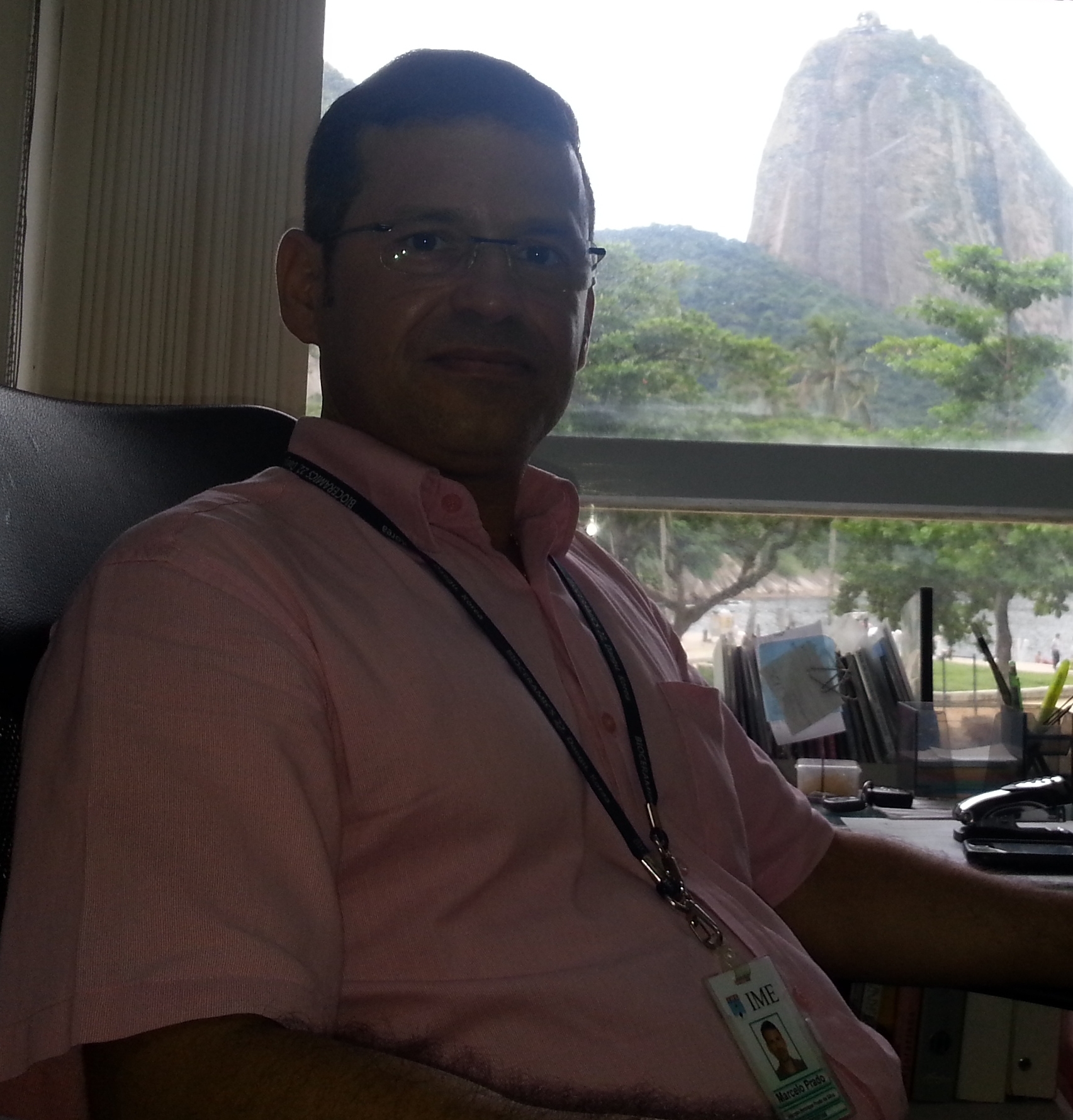
Marcelo Henrique Prado da Silva (Brazil) - Zn and Nb substituted apatites |
|---|---|
Marcelo Prado has a metallurgical engineer with M.Sc. and Ph.D. on Metallurgical and Materials Science Engineering from the Federal University of Rio de Janeiro (UFRJ, Brazil). Part of the Ph.D. was performed in the Interdisciplinary Research Centre in Biomedical Materials (IRC, Queen Mary and Westfield College, University of London). Marcelo Prado was a post doc in the National Institute of Biomedical Engineering (INEB, Univ. Oporto, Portugal) and is currently an Associate Professor in the Military Institute of Engineering (IME, Brazil), being also in chief of the Electron Microscopy Laboratory and Coordinator of the Post Grade Programme on Materials Science. He develops researches on bioceramics synthesis and processing, bioactive glasses and composites and is involved in related researches as supervisor, member of scientific committee of conferences, referee of scientific journals, and international societies. He was the President of the International Society for Ceramics in Medicine (ISCM) in 2008. |
Invited Speakers - Final List
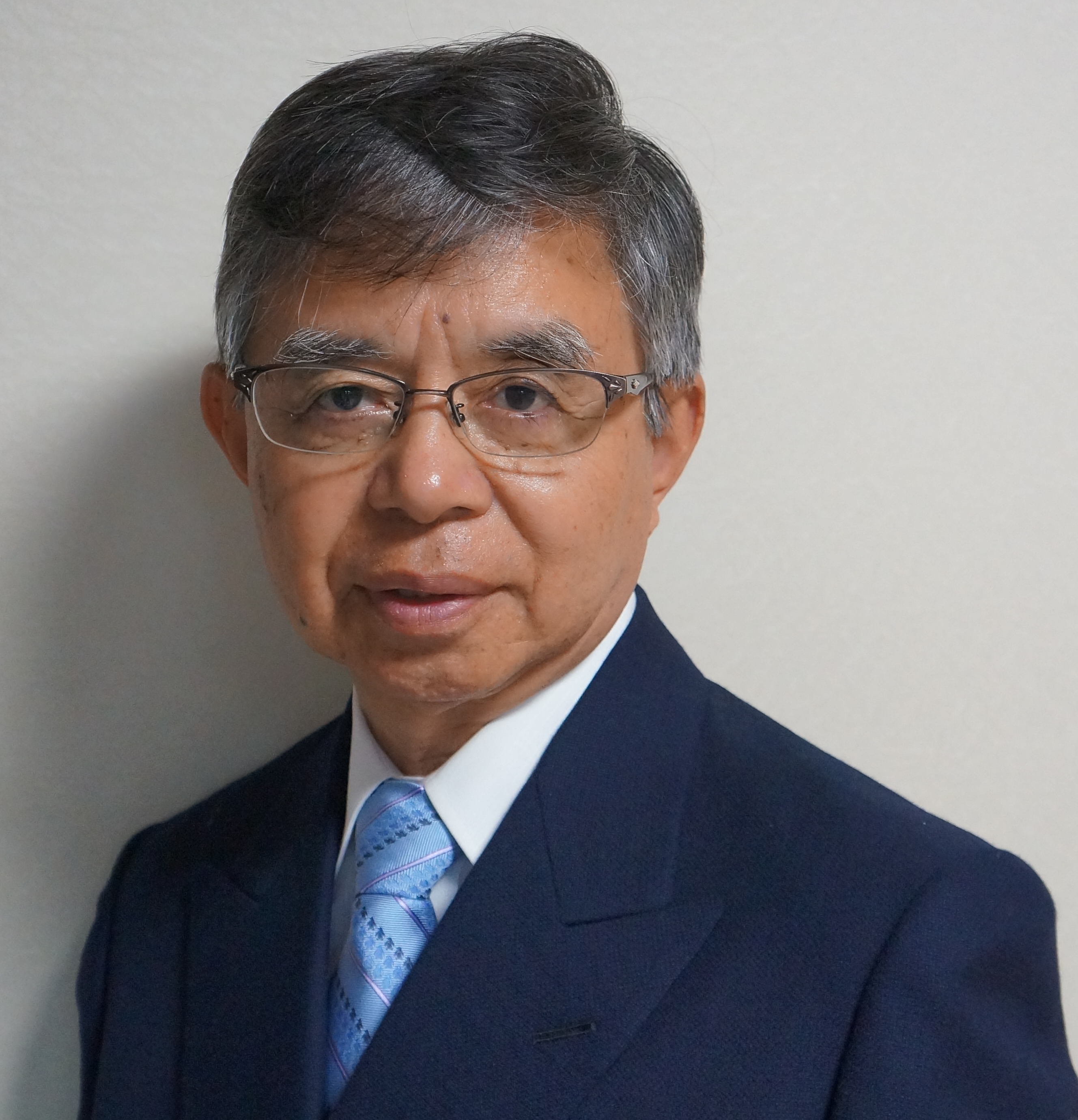 |
Tadashi Kokubo (Japan) - Novel bioactive materials neither based on calcium phosphate nor silicate:Titanium oxide |
|---|---|
Tadashi Kokubo was graduated from Osaka City University in earth science course in 1962. He obtained degree of PhD from Kyoto University in Engineering. He has been Professor of Solid State Chemistry in Institute for Chemical Research, Kyoto University 1987 to 1992, and Professor of Applied Solid State Chemistry in Graduate School of Engineering, Kyoto University 1992-2003. He is a Professor of Department of Biomedical Sciences in Chubu University, since 2003. Professor Tadashi Kokubo’s background is in bioglass research and inorganic precipitation from SBF of calcium phosphates (CaP) onto biomaterial surfaces. The original recipe for simulated body fluid (SBF) emanates from his group. Professor Kokubo is also known worldwide for his achievements within bone anchored biomaterials. |
 |
Marc Bohner (Switzerland) - Synthesis of calcium phosphate particles with controlled size and shape |
|---|---|
Dr. Marc Bohnerhas been working for RMS Foundation in Bettlach, Switzerland, since March 1998. He is responsible for resorbable biomaterials and bone substitutes. From 1985 to 1993, he studied and made his PhD at Materials Science Department of the Federal Institute of Technology in Lausanne, Switzerland (EPFL). From 1994 to 1998, he completed two post-docs in the field of drug delivery, one at the bioengineering department of the University of Utah in Salt Lake City, USA, and the second one at the pharmaceutical institute of the ETH Zurich. Marc Bohner is interested in the use of resorbable biomaterials as bone substitute, and carrier of antibiotics and cells. More specifically, his interests comprises the synthesis, nanostructuration, and use of various calcium phosphates, the improvement of present delivery techniques for bone substitutes (in particular CaP and polymer cements), and the application of these materials, methods, and concepts in clinical applications. Marc Bohner is the inventor of «chronOS blocks», «chronOS Inject» and «cyclOS / CEROS / chronOS Putty». He is the author of more than 80 peer reviewed articles (h = 31), 15 international patent applications. In 2004, he was nominated «adjunct professor» at the University of Sherbrooke (Canada). He is the past president of the Swiss Society for Biomaterials, the current president of GRIBOI, as well as the editor of Acta Biomaterialia, the No 2 journal in the field of biomaterials (IF = 4.9). |
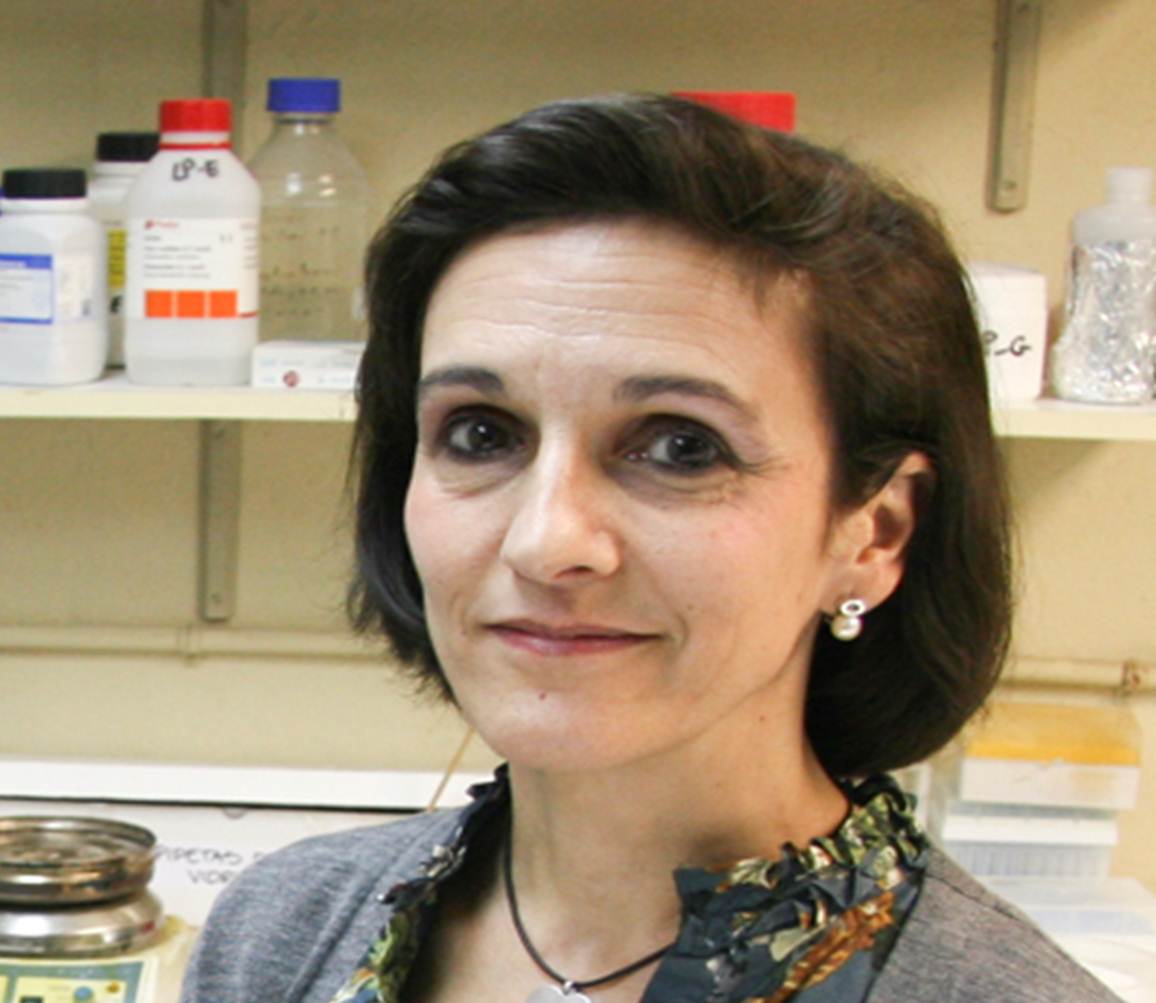 |
Maria-Pau Ginebra (Spain) - Drug delivery from calcium phosphate cements and foams |
|---|---|
Maria-Pau Ginebra is currently Professor in the Department of Materials Science and Metallurgy at the Technical University of Catalonia (UPC) in Barcelona, Spain. She is the leader of the Biomaterials Division of the Research Center for Biomedical Engineering at UPC. She has been involved in more than 40 research projects in the field of Biomaterials and Tissue engineering. Her main research interests are focused on the design and development of new materials for bone regeneration, bone tissue engineering and drug delivery. Her design approach has been to employ materials that can serve as analogs of the extracellular matrix of the bone tissue. Her research team has made significant contributions in the processing and characterisation of low-temperature calcium phosphates, which in fact mimic the mineral component of bone, including calcium phosphate cements and foams, incorporating synthetic or natural polymers, and/or biologically active molecules. She is author of more than 120 articles in peer-reviewed international journals as well as of 7 patents, and she has delivered invited lectures to several international conferences. In 2013 she received the Racquel LeGeros Award for her contribution to calcium phosphate research. |
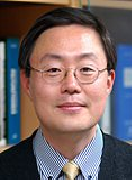 |
Sang-Hoon Rhee (Korea) - Osteoconductivity Enhancement of Hydroxyapatite through Ion Substitution |
|---|---|
Prof. Sang-Hoon Rhee is a biomaterial scientist who obtained his Ph.Ds. on structural ceramics from Department of Inorganic Materials Science and Engineering, College of Engineering, Seoul National University, Korea 1996 and on bioactive nano-composites from Graduate School of Engineering, Kyoto University, Japan 2003. He was a post doc in National Institute for Research in Materials (NIRIM, Japan) from 1997 to 1998 and a principal researcher of Advanced Materials Division in Korea Research Institute of Chemical Technology (KRICT) from 1990 to 2003. He is currently a professor of Department of Dental Biomaterials Science, School of Dentistry, Seoul National University, Korea from 2003. He was the editorial board member of “Biomaterials” and an associate editor of “Biomaterials Research” (official journal of The Korean Society for Biomaterials) from 2008 to 2011. He is currently an editorial board member of International Journal of Biomaterials and Journal of Biotechnology and Biomaterials. His current research interest is focused on identifying the origin of osteoconductivity. |
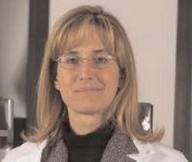 |
Anna Tampieri (Italy) - Bio-inspired Processesyield Intelligent Scaffolds for Tissue Engineering and Nanomedicine |
|---|---|
Head, Department of Bio-Ceramic and Bio-Hybrid Composites, Istituto di Scienza e Tecnologia dei Materiali Ceramici Head, Scientific Advisory Board, Finceramica Faenza S.p.A. Dr. Anna Tampieri's research focus is materials science with special attention to inorganic chemistry applications in ceramic materials and bio-hybrid composites. Early in her career from 1986 to 1995, Dr. Tampieri coordinated research collaborations for the development of High-Tc Ceramic Superconductors. Beginning in 1995, Dr. Tampieri created a new research group dedicated to the development of biomaterials and biotechnology for regenerative medicine. Her research team combines a high degree of technical specialization with broad interdisciplinary expertise that supports a large number of national and international research projects. Dr. Tampieri's research is internationally recognized for contributions to global health. Her research on osteochondral substitutes was named one of the most important contributions to human healthcare in 2008 by the Literature Awareness System (UK). The commercial development of this innovation by Dr. Tampieri, resulted in a CE marked osteochondral scaffold product, which has been adopted for orthopaedic surgical practice in Europe as the first step toward a completely biologic prosthesis. The Dr. Tampieri's approach to research is to tackle new and complex problems from a technological perspective. Dr. Tampieri's research program focuses on synthesis methodologies, forming methods, sintering processes, and the relationships between microstructural properties and material performance. Major Areas of Research: biologically inspired processes, bioactive nano-powders, bio-hybrid composites, scaffold for bone and cartilage regeneration, drug delivery. |
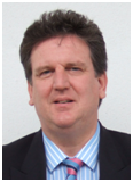 |
Rainer Gadow (Germany) - Bioceramic coatings and composites for biomedical applications |
|---|---|
Prof. Rainer Gadow is chair and managing director of the Institute for Manufacturing Technologies of Ceramic Components and Composites (IFKB) at the University of Stuttgart, Germany. His research fields are Materials engineering and product development, processing and manufacturing of ceramic components including nano-structured materials and components, high energetic surface technologies, biomaterials and biomedical technologies, technology of composite materials and he is further teaching total quality management in industrial manufacturing and management. He was R&D and general manager in important industrial companies in the field of product development with new materials and manufacturing processes for a decade. He was dean of the faculty for mechanical engineering and industrial manufacturing and is co-founder and director materials and process engineering of the Graduate school of excellence for Advanced Manufacturing Engineering GSaMEat the University of Stuttgart and since 2000 managing partner, New Materials Technologies of TTI GmbH Stuttgart. He holds a M.Sc. and Ph.D. in chemistry, both from the University of Karlsruhe (T.H.) and a doctor honoris causa from Cluj-Napoca Technical University, Romania. He has published more than more than 460 international papers, books, monographies and 48 patents. |
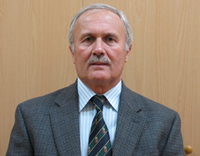 |
Eyup Sabri Kayali (Turkey) - Production and Mechanical Properties of Commercial Synthetic Hydroxyapatite (CSHA) Composites |
|---|---|
Professor Eyup Sabri Kayali Istanbul Technical University, Faculty of Chemical and Metallurgical Engineering Dr. E. Sabri Kayali is working as a professor in Istanbul Technical University (ITU) at Department of Metallurgical and Materials Engineering since 1976. He received his B.Sc in Metallurgical Engineering from ITU in 1969 and his MSc and Ph.D. degrees from Stanford University-USA in 1973 and 1976 respectively. His research interest includes physical and mechanical metallurgy, biomaterials, tribology and failure analysis. He served as Chair of the Metallurgical and Materials Engineering Department, Vice Dean and Dean of the Faculty of Chemical and Metallurgical Engineering, University Senator and Head of Nanoscience and Nanoengineering Programme at Graduate School of ITU. He is currently country representative at COST Domain Committee of Materials, Physics and Nanoscience (DC-MPNS). Prof. Kayali has actively participated in organizing several national and international conferences, symposiums and meetings. He acted as referee in many international journals and research projects and led and took part in many industrial projects. He authored and co-authored over 85 publications and gave several invited talks in national and international meetings. |
 |
Hui-suk Yun (Korea) - Room Temperature Fabrication of 3D Porous Ceramic and Composite Scaffolds |
|---|---|
Hui-suk Yun has a Ph. D. on Materials Science Engineering from the University of Tokyo, Japan. She was a post doc in National Institute of Advanced Industrial Science and Technology (AIST, Japan) and then worked as lecturer in the Consolidated Research Institute for Advanced Science and Medical Care at Waseda University, Japan. She is a principal researcher of Powder and Ceramics Division in Korea Institute of Materials Science and is also a professor of Department of Materials Science in University of Science & Technology, Korea. Her research field includes both the synthesis of nano bioceramics and the development of ceramic and composites scaffolds for bone tissue regeneration using rapid prototyping system. |
 |
Gultekin Goller (Turkey) - Characterization of Al2O3-YSZ Composites Produced by Spark Plasma Sintering Process |
|---|---|
Prof. Dr. Gultekin Golleris materials science professor who graduated from Istanbul Technical University in 1989 with a B.S. in Metallurgical Engineering. In 1997, he earned a Ph.D. in Metallurgical and Materials Engineering from Istanbul Technical University, and during his Ph.D., he attended the Tribology Group in Cleveland State University in 1995 as a UNIDO fellow for 1 year. He joined the department of Metallurgical and Materials Engineering of Istanbul Technical University in 1998 as an assistant professor. Professor Goller was promoted to associate professor in 2005 and became a full professor in 2010. He is Chair in the Department of Metallurgical and Materials Engineering at Istanbul Technical University. His professional and scientific activity comprises: papers published in science citation index journals (68); papers published in international peer-review periodicals (7); the proceedings of international or national conferences (44); participating in different international or national research projects (41); member of the scientific committee of different meetings; head of the organizing committee for different international conferences; member of the International Editorial Board of some journals; reviewer for different journals and biomaterials conferences. |
 |
Frederic Marin (France) - Synthesis of calcium carbonate biogenic materials: how many proteins are needed? |
|---|---|
Dr. Frederic Marin, Laboratoire Biogeosciences, University of Dijon, Dijon, France Frédéric Marin defended his PhD in 1992 on calcium carbonate biomineralizations. Since his Master degree on bone collagen (1989), he has a 25-years experience in the biomineralization field. He has signed or co-signed about 80 papers in biomineralization. In 1998, he received the Vening-Meinesz Price (25 000 guldens) for his research on the origin of animal skeleton. He is/was involved as partner in different French or European research consortia: GDR ADEQUA on Polynesian pearls (2008-2012); the ANR ACCRO-Earth (2007-2011); BioMinTec network (ITN Marie Curie, see www.biomintec.de, Oct. 2008 – Aug. 2012). In addition, together with Croatian partners (Dr. Davorin Medakovic), F. Marin has participated to establish a European COST network on biomineralization (action TD0903, see www.biomineralix.eu), from which he is the Chair (formerly, Vice-Chair). This network comprises 17 countries and 34 research groups. |
 |
Jose Miguel Martin-Martinez (Spain) - A model for polymer-inorganic nanoparticles interactions in bioceramics based on polyurethane-inorganic filler |
|---|---|
Prof. Dr. Jose Miguel Martin-Martinezis Full Professor of Inorganic Chemistry, and Head and founder of the Adhesion and Adhesives Laboratory of the University of Alicante (Alicante, Spain). He graduated in Chemistry in 1978 at the University of Granada and obtained his PhD in Chemistry in 1981 at the same University. He was visiting Research in several laboratories in different countries: Centre de Microcalorimetrie (Marseille, France), Department of Chemical Engineering of Penn State University (State Park, Pennsylvania, USA), Department of Chemical Engineering of the University of Amsterdam (The Netherlands), Department of Materials Science of Virginia Tech University (Blacksburg, Virginia, USA). Prof. Martín-Martínez has been invited as lecturer in several International Conferences and received several awards. He is a recognized expert in Adhesion Science and polymer-inorganic materials interface, polyurethane adhesives and bioadhesives for wound clousure. His professional and scientific activity comprises: handbooks/textbooks (22); book chapters and publications in journals (92); papers published in scientific journals in the ISI ranking (169); monographies (29); papers published in the proceedings of national conferences (131); papers published in the proceedings of international conferences (219); patents of invention (9); participating in different international or national research projects (22); heading of in different international or national research projects (89), projects for private national and international projects (113); direction of master degrees (40); direction of PhD (33); member and organizer of the scientific committee of different international meetings (28); invited lectures at international conferences (75). |
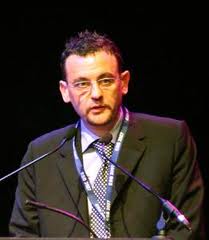 |
Matteo Santin (UK) - Surface Functionalisation of Titanium Implant by Phosphoserine-tethered Poly(epsilon-lysine) Dendrons Enhances Biomineralization, Bone Cell Differentiation and Osteointegration |
|---|---|
Matteo Santin is the leader of the Brighton Studies in Tissuemimicry and Aided Regeneration group and the leader of the module in Biomaterials and Tissue Engineering delivered to Biomedical Science and Biology undergraduate students at the School of Pharmacy and Biomolecular Sciences. Dr. Santin’s career in biomedical research and teaching spans over 20 years and it has been marked by significant achievements that were internationally recognised in 2005 by the European Society for Biomaterials who conferred him the Jean Leary Award. His scientific interests spans from the synthesis and engineering of natural biomaterials such as soybeanbased biomaterials and silk fibroin to the development of biomimetic coatings based on nanostructured biomaterials to the establishment of in vitro clinically-reflective models for the testing of biomaterials and tissue engineering constructs. He has published papers that unveil for the first time the biochemical and cellular mechanisms of inflammatory response to silk fibroin, new cellular mechanisms leading to the failure of medical devices and that demonstrate the development and tissue regeneration potential of novel soybean-based biomaterials. Dr Santin has achieved: publication of 45 papers in peer-reviewed international journals; publication of a book entitled ‘Strategies in Regenerative Medicine: Integrating Materials Science with Biology’ Springer 2009; research projects grants for an overall budget of over €2.5million by public, charitable and private organisations; publication of over 130 refereed abstracts; filing of 7 patent applications. Dr. Santin is an Associate Editor of the Journal of Materials Science: Materials in Medicine, the official journal of the European Society for Biomaterials. In 2009, he has acted as an expert for the drafting of the Road Map towards 2020 for Regenerative Medicine that has been commissioned by the European Commission through the European Technology Platform on Nanomedicine. He is an elected member of the Council of the European Society for Biomaterials that he serves with a role of Liaison Officer of the Society for the Young Scientist Forum (YSF). He is also a selected member of the UK Society for Biomaterials, of the UK Biomedical Device Division, Biomaterials Committee, Institute of Materials, Metallurgy and Mining, The Royal Society and of the Furlong Charitable Foundation, a UK charity with a mission in supporting research in the orthopaedic field. In 2007, he was Chairman of the 21st European Society for Biomaterials Conference and coorganiser of the UK Society for Biomaterials Conference 2003 and Polymers in Medicine and Surgery (2004 and 2007). Dr. Santin has been invited to deliver plenary or keynote lecture to many international conferences. |
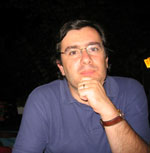 |
Paulo Jorge da Silva Bartolo (Portugal) - Additive biomanufacturing for tissue engineering |
|---|---|
Paulo Bartolo has a PhD on Mechanical Engineering from the University of Reading (UK). Currently he is Professor on Advanced Manufacturing Processes at the Polytechnic Institute of Leiria (IPL, Portugal), Director of the Centre for Rapid and Sustainable Product Development at the Polytechnic Institute of Leiria, Professor of the Cátedra UNESCO of Biomaterials at the University of Habana (Cuba), Visiting Professor at Queensland University of Technology (Australia), Founder of the Portuguese-British Biomanufacturing Network, Member of the Board of Directors of the International Society for Biofabrication, Coordinator of the Iberoamerican Network on “Biomanufacturing: materials, processes and simulation (BIOFAB)” and Associate Member of CIRP (The International Academy for Production Engineering). Paulo Bártolo has been the Chair of the International Conference on Advanced Research in Virtual and Rapid Prototyping (VRAP 2011, VRAP2009, VRAP2007, VRAP 2005 and VRAP 2003) and Co-Chair of the ECOMAS Thematic Conference on Tissue Engineering. He is Editor-in-Chief of the “Virtual & Physical Prototyping” Journal and authored or co-authored more than 200 peer reviewed papers, 12 books, 65 book chapters and 12 patents. |
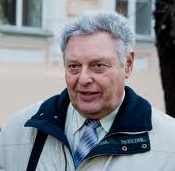 |
Yuri Dekhtyar (Latvia) - Scaffold Surface Electrical Potential to Adhere Cells |
|---|---|
Professor Yuri Dekhtyar (Jurijs Dehtjars) Director, Institute of Biomedical Engineering and Microtechnologies, Riga Technical University, Riga, Latvia Yuri Dekhtyar, professor, director of Institute of biomedical engineering and nanotechnologies of Riga technical university, president of Latvian medical-engineering and physical society, member of New-York academy of science, expert of medical physical and engineering European network, member of European physical society. |
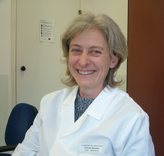 |
Lia Rimondini (Italy) - The biofilm formation onto implants and prosthetic materials may be contrasted by surface modifications |
|---|---|
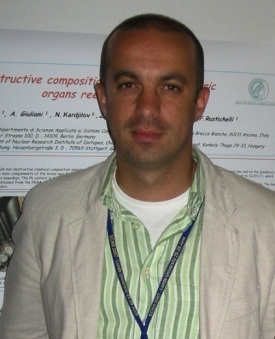
Lia Rimondini - Università del Piemonte Orientale “Amedeo Avogadro” - Novara, Italy . 1986: Graduated in Dentistry, 110/110 “summa cum laude”, University of Bologna; 1987-1993: Research and Consultant Professor of Community and Paediatric Dentistry, School of Dentistry, University of Bologna; 1993-1999 Research and Consultant Professor of Dental Materials, School of Dentistry, University of Milan. 2001-2007 Research and Consultant Professor of Dental materials, School of Dentistry, Univ. of Insubria – Varese. 1992 Visiting Scientist, University College – London, Department of Anatomy; 2000 - Associate Research - Department of Experimental Surgery- IstitutiOrtopedici Rizzoli – Bologna; Since 2005 - Associate Professor of Dentistry, School of Medicine, Dept. Medical Sciences, Univ. of Piemonte Orientale “A. Avogadro”, Novara. - MAIN RESEARCH INTERESTS -Biomaterials, Tissue engineering, Dental materials, Implantology. - PUBLICATIONS –More than 100 papers on international journals with editorial board. - PATENTS- relative to products of herresearch: a) Procedimento di trattamento della superficie di un impianto dentale, in particolare in titanio e impianto ottenuto con il procedimento. N.: VE2001A000051/2001; Validity/extension: Italy – Europe; b) Impiantodentale in materialecomposito N.: RM2001A000705/2001 Validity/extension: Italy; c) Biologically active nanoparticles of a carbonate-substituted hydroxyapatite, process for their preparation and composition incorporating the same. Deposited PCT 12/05/06 Gua/CB. Validity/extension: Europe /USA - MAIN SOURCES OF RESEARCH GRANTS - National Research Council [ConsiglioNazionaledelleRicerche (CNR) (ProgettoFinalizzato – Materiali per TecnologieAvanzate], Ministry of University, Scientific Research and Technology and Ministry of Instruction (PRIN), University and Research, RegionePiemonte (Progetti di ricerca sanitaria finalizzata; Progetti di ricercascientificaapplicata), Industries, Italian Foreign Ministry (MAE- Coordinator of Italy –Japan Integrated action on Nanotechnologies), AIRC 2012 and Compagnia S. Paolo (these latter both in common with POLITO unit). - JOURNALS -Associate Editor of the “Journal of Applied Biomaterials and ”. Editor for Bentham Internationals Books, Lead Guest Editor for International Journal of Biomaterials. Reviewer of the most ISI-impacted Journals of the category: Biomaterials. - SCIENTIFIC SOCIETIES - National Secretary of SIB (SocietàItalianaBiomateriali). |
 |
Adrian Manescu (Italy) - High resolution x-ray tomography and holotomography for non-invasive characterization of biomaterials and biological systems |
|---|---|
Adrian Manescu - Polytechnic University of Marche, Ancona (Italy) Having a Ph.D. in Biochemistry and Biophysics, he is Teaching professor and Post-doc researcher in the group of Biomaterials, Tissue Engineering and Regenerative Medicine of the Odontostomatology and Specialized Clinical Sciences Department, Polytechnic University of Marche, Ancona (Italy). He has a large experience in non-destructive investigation of materials and biomaterials using X-ray or neutron scattering. In the last years, his scientific activity has been focused on studying, through advanced physical techniques (such as microtomography, holotomography), based on X-ray synchrotron radiation, structural changes of various biomaterials and biological tissues, especially in-vitro, ex-vivo and in-vivo characterization of biomedical interest constructs, based on the use of stem cells. Recently, he performed different experimentsalso in the field of stem cell regenerative dentistry. He is author of about 30 articles in international peer-reviewed journals and has 4 contributions in international spread books. |
 |
Alina Sionkowska (Poland) - Preparation and properties of collagen and chitosan based materials containing inorganic particles |
|---|---|
Prof. Alina Sionkowskais a polymer and biopolymer scientist who obtained her Ph.D. from Nicolaus Copernicus University, Torun, Poland. From 2008 she has been working as Professor at the Faculty of Chemistry, Nicolaus Copernicus University, Torun, Poland. She spent several periods in laboratories abroad: Karolinska Institutet in Stockholm, Sweden; Faculty of Chemistry University of Camdridge, UK; Collagen Research Group University of Bristol, UK; Department of Chemistry and Industrial Chemistry University of Genova, Italy; Faculty of Biology and Biological Sciences University of of Stirling, Scotland, UK; School of Optometry and Vision Science University of Wales, Cardiff, UK; Laval University, Laboratory of Bioengineering and Biomaterials, Quebec City, Canada; Laboratoire de Physicochimie Moleculaire University of Bordeaux, France; Department of Biophysics Tbilisi State University, Georgia. Her professional and scientific activity comprises: handbooks/textbooks (5); papers published in scientific journals (108); papers published in the proceedings of international or national conferences (135); participating in different international or national research projects (22); member of the scientific committee of different meetings (6); member of the organizing committee for different international conferences (3). |
 |
Viorica Simon (Romania) - Spectroscopic investigation of proteins adhesion on bioceramics |
|---|---|
Dr. Viorica Simon is a full professor of Physics at the Department of Biomedical Physics, Theoretical and Molecular Spectroscopy at the Faculty of Physics of Babes-Bolyai University, in Cluj-Napoca, Romania. She is a board member of the Romanian Society for Biomaterials. Prof. V. Simon has written 6 books and more than 250 papers, and received the Romanian Academy Award for 2004. She is member of several scientific societies, editorial boards and Regional Editor of the journal Recent Patents on Corrosion Science. Her research interest is focussed on biomaterials for repair of hard and soft tissues – bioceramics, bioactive glasses, composite systems including nanostructured phases, mesoporous materials for tissue engineering and controlled cations release. She pays special attention to the in vitro investigation of the interface phenomena between biomaterials and simulated body fluids, using a wide range of methods, and particularly the spectroscopic techniques. |
 |
Dr.Nicholas Dunne (Northern Ireland) - Injectable Orthopaedic Cement Systems for Musculoskeletal Repair and Regeneration |
|---|---|
Dr. Nicholas Dunne is Director of the Advanced Materials and Processes Research Cluster and Director of the Polymer Processing Research Centre at the School of Mechanical & Aerospace Engineering, Queen’s University of Belfast. He has published over 70 scientific papers and numerous abstracts and book chapters, and currently holds over £1.2 million of research income from Europe, the Research Councils, and industry. He is committed to translational research in the field of biomaterials and medical devices for musculoskeletal repair and regeneration, and works closely with industry to achieve these goals. He is currently the President of the Northern Ireland Biomedical Engineering Society, President of Young Scientist Forum-UK Society of Biomaterials President of the UKSB and as well as the President of Young Scientist Forum-European Society of Biomaterials. Nicholas Dunne has supervised over 12 PhD students to completion and is currently involved in the supervision of 9 PhD students. |
 |
Dmitry Shtansky Vladimirovich (Russia) - Recent progress in the filed of multicomponent bioactive nanostructured films |
|---|---|
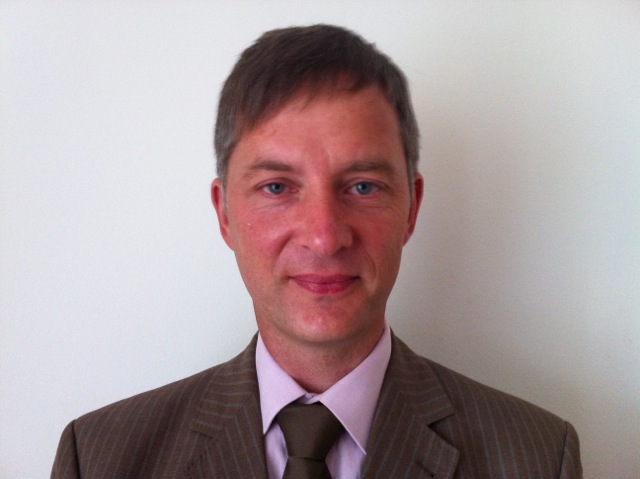
Dmitry V. Shtansky is a leading scientist at the Scientific-Educational Center of SHS (since 2000), professor at the Department of Powder Metallurgy & Functional Coatings (since 2003), and head of the Laboratory of Inorganic Nanomaterials (since 2011). He graduated from the Physics Department of Moscow State University in 1985, after which received a Ph.D. degree from the I.P. Bardin Iron & Steel Industry Institute (1992) and a Doctor of Science degree in physics and mathematics from the National University of Science and Technology “MISIS” (2002). He was awarded by the Max-Planck-Society Postdoctoral Fellowship (Max-Planck Institut für Eisenforschung GmbH, Germany, 1995-1996); Japan Society for the Promotion of Science (JSPS) Postdoctoral Fellowship, (Ehime University, 1997-1999); JSPS Research Fellowship under the program “Research for the Future”, (The University of Tokyo, 1999-2000), and Erasmus Mundus Master Scholarship (National Polytechnic Institute of Lorraine, France, 2006). His current interests include the development, characterization, and testing of various composite and nanostructured materials, including thin films and coatings for mechanical engineering and medicine. |
 |
Karlis A. Gross (Australia, Latvia) - Design of apatites for biomedical functionality |
|---|---|
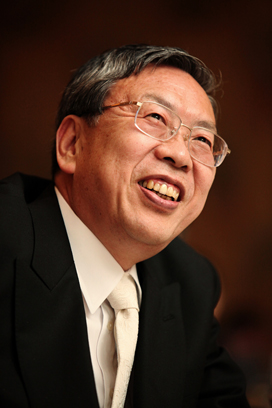
An Assoc. Professor at Riga Technical University and an Adjunct Assoc. Professor at Monash University. Karlis completed a full 2.5 year research Masters in Engineering Science at Monash University, Australia in 1990 on thermally sprayed hydroxyapatite and a PhD at the University of Stony Brook, USA in 1995 on amorphous calcium phosphate. The collective 25-year experience (in Australia, Finland, France, Germany, Latvia and USA) on conventional processing routes and modification of hydroxyapatite (chemical and structural) has provided the background for designing multifunctionality in apatites. Lectures have been presented at several international symposiums and conferences. In Australia, a Queen Elizabeth II Fellow award was given, but in Europe, Karlis is working as a Marie Curie Fellow. A recent project is addressing new strategies for processing calcium phosphates. Work at the Institute of Biomaterials and Biomechanics in Latvia is addressing synthesized powders and coatings, and initiating work on cements and optical properties. The 90 peer-reviewed publications on processing, phase transformations, characterization and testing paves the way to the design of apatites, at the nano and microstructural level. This provides the basis for improved properties and a pathway towards multifunctionality. |
 |
Takashi Nakamura (Japan) - Application of alkaline and heat treated titanium to Implant and Bone Substitute |
|---|---|
Takashi Nakamura, M.D., Ph. D. Director of Kyoto Medical Center Professor Emeritus, Kyoto University
|
 |
Alexandra Sklavounou (Greece) - Adverse oral reactions caused by chemicals and dental biomaterials |
|---|---|
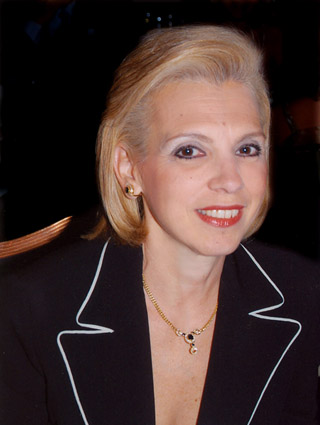
Alexandra Sklavounou Professor and Chair, Department of Oral Medicine and Pathology, School of Dentistry, University of Athens She is the Head of the Dept. of Oral Medicine & Pathology Dental School, National and Kapodistrian University of Athens, 2006-date , but also Director of Oral Medicine Clinic of Evangelismos General Hospital, Athens 2001- date, Member of the Postgraduate Curriculum Committee, Dental School, University of Athens, 2007-date, Director of the postgraduate program in Oral Medicine and Pathology, Dental School, University of Athens, 2007-date and Director of the undergraduate program in Oral Medicine and Pathology, Dental School, University of Athens, 2007-date. Other important dates: member of the scientific committee in many professional association (Past-President of the Hellenic Society of Oral Medicine and Pathology; Board Member of the European Association of Oral Medicine, Elected Board Member of the Hellenic Dental Association), member of the organizing committee of the different scientific meetings in the field of dentistry, oral medicine and pathology; Guest-editor of the International Journal of Dentistry as a representative of Europe, 2012; many research grants and contracts; awards and honours: Hamilton B.G. Robinson Prize, for the best Oral and Maxillofacial Pathology scientific paper published in Oral Surgery Oral Medicine Oral Pathology Oral Radiology and Endodontics, 2009; Waldron Award, 65th Annual Meeting and Continuing Education Program of American Academy of Oral and Maxillofacial Pathology, San Juan, Puerto Rico 2011; Honorary award from the Society for the Promotion of Education and Learning, Arsakeia - Tositseia Schools, 2011; Honorary Member of Romanian Oral Medicine Association, 2012; Memberships: American Academy of Oral and Maxillofacial Pathology, European Association of Oral Medicine (EAOM); Hellenic Society of Odontostomatological Research; Hellenic Association of Immunology; Hellenic Society of Oral Medicine and Pathology; Balkan Stomatological Society; Hellenic Society of Autoimmune Diseases; authors of some books. |
 |
Lucien Reclaru (Switzerland) - Dental Ceramics: Totally Inert Compunds? |
|---|---|
Prof. Dr. Lucien Reclaru is a chemist engineer in the filed of biomaterials research. His activity is specific in the development and in the physical and chemical characterization of biomaterials. Also, he represents officially Switzerland in the Working Groups of European Community (CE) and of the ISO: CEN /TC 347, Methods for Analysis of Allergens, CEN/TC 347 WG1 Allergy of Nickel, ISO TC 114 /WG2 Dangerous substances and preparations likely to be encountered in watch components; convenor, CE- Partner Expert Group (PEG) REACH European Chemical Agency (ECHA), REACH EuroMetaux Precious Metals and Rhenium Consortium – founding member. His professional and scientific activity comprises: More than 100 scientific publications and 70 presentations in international scientific meetings. Apparent scientific impact of a scientist (Hirsh index) h index = 10, 2008-2010 330 citations. Reviewer for newspapers: Biomaterials, Acta Biomaterilia, Corrosion Science, Surface and Coatings Technology, Materials Science and Engineering C, Thin Solid Films. Experience: Assistant professor and lecturer in the department of Chimie-Physique of the University of Geneva 1980-1987; Head of a research group for the corrosion and the biocompatibility of dental alloys at Metalor SA. 1987-1991; Responsible for the research in corrosion and biocompatibility of materials at PX Holding SA. 1992-; Professor, dental materials field , in the Ecole Supérieure Technique Dentaire Suisse of the University of Geneva.1995-; Swiss expert with the CEN /TC 347, Methods for Analysis of Allergens. 1995-; Chairmen of WG2 / ISO TC 1114 dangerous substances and preparations likely to be encountered in watch components 2006- ; Swiss expert REACH, Consortiium Precious metals and Rhenium, Euro-Métaux Brussels; Expert Partner Expert Group (PEG) REACH European Chemical Agency (ECHA). |
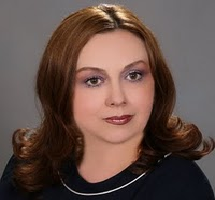 |
Cena Dimova (FYROM) - Socket preservation procedure after tooth extraction |
|---|---|
Prof. Dr. Cena Dimova "Goce Delcev" University, Faculty of Medical Science, Stip, FYROM Cena Dimova is Associate professor (Docent) at “Goce Delcev” University - Stip, Faculty of Medical Sciences, Studies for General Stomatology and Head of Department for oral and maxillofacial surgery and dental implantology, Faculty of Medical Sciences, Studies for General Stomatology. Participation in the educational programs and teaching process at the Faculty of Medical sciences, Dental medicine, with the teaching focus on the theoretical and practical aspects of tooth extractions, oral surgical interventions, oral implantology and minor preprosthetic surgical procedures, haemostasis in oral surgery, oral fibrinolysis, local antifibrinolytic therapy, clinical application of dental laser, impacted teeth, apicoectomy, oral mucosal biopsy procedures, risk patients in dentistry. She was involved in some National and International Scientific Projects related to dental materials and dentistry. Also, Cena Dimova is member of many professional societies from dentistry, reviewer and member of the editorial board of some journals, author of more than 100 scientific and professional publications, and many invited lectures at different international conference. |
 |
Emilio Jimenez Castellanos Ballesteros (Spain) - Metal-Ceramic Fixed Prosthodontics in Dentistry: An obsolete therapeutic solution? |
|---|---|
Dr. Emilio Jimenez Castellanos Ballesteros received his M.D. degree in 1983 and his Ph.D. in stomatology in 1983 at the School of Dentistry, University from Sevilla, Spain. He is currently a professor in Prosthetic Dentistry and professor in Physiology and Physiopatology Dental Occlusion, School of Dentistry, University from Sevilla, Spain. |
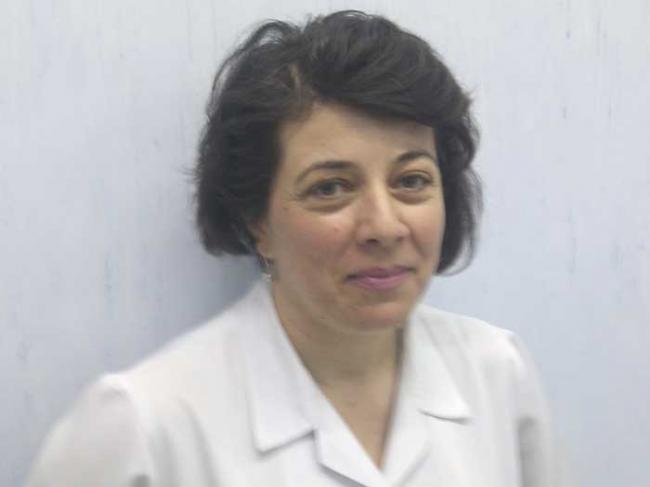 |
Rodica Marinescu (Romania) - Radiographic analysis of bone remodeling around hydroxyapatite coated femoral stems |
|---|---|
Dr Rodica MARINESCU is a physician doctor, in the specialty of Orthopedics and Traumatology, working in Colentina Clinical Hospital, Bucharest, with an active involvement in the education of orthopedic residents who did internship in our clinic, participating at both current surgical activities as well as at various clinical conferences (works diploma, licenses). Since 2001, when arthroscopic surgery was introduced in the preparation of orthopedic surgeons, she was among the first in the country with this qualification and have attended many courses as a lecturer. The research carried out over more than five years addresses areas of large current interest: biomaterials, joint surgery, and minimally invasive surgery. The scientific activity in the orthopedic clinic resulted in more than 100 papers in international journal and conference proceedings, member of scientific societies like (ESSKA-European Society for Surgery of the Knee, ISAK-International Society of Arthroscopy Surgery). Relevant scientific contributions made as a result of scientific and research activity are related to the introduction of the definition and implementation of protocols for the first time accurate diagnosis and treatment in a series of knee joint disorders (being co-opted and the National Health Ministry dealing with the development of these regulations). She was awarded as the first author in Romania that performed arthroscopic meniscal sutures, first cruciate ligament reconstructions with allograft, the first endoscopy for calcaneal pathology. |
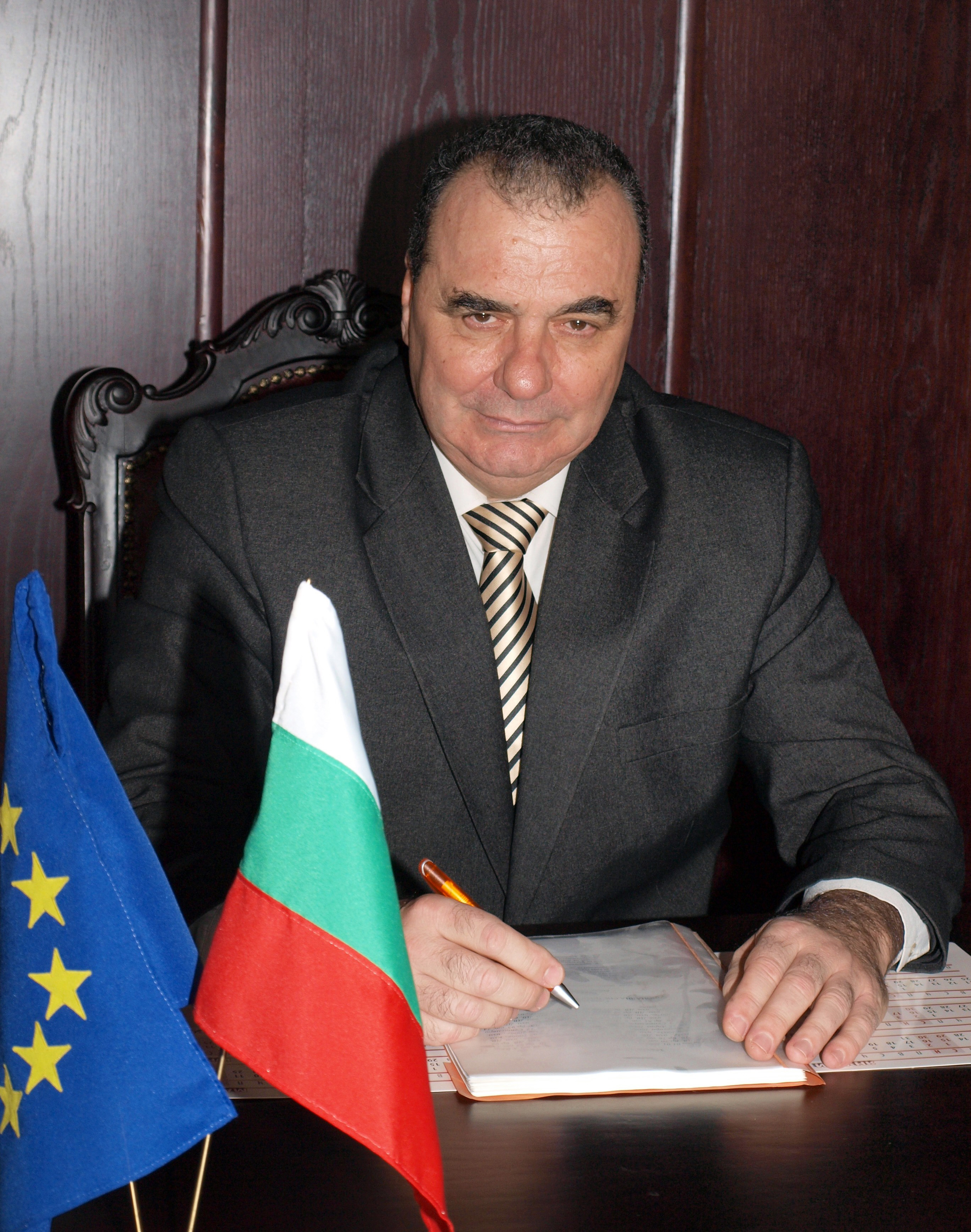 |
Andon Filtchev (Bulgaria) - Principles for achievement of an aesthetic harmony in prosthetic dentistry |
|---|---|
Andon Filtchev, DDM, PhD, DSc Professor, Head of Department of Prosthetic Dental medicine and Dean of Faculty of Dental Medicine, MU-Sofia, Bulgaria. |
 |
Teodor Traistaru (Romania) - The influence of newer biomaterials use on the structuring of the clinicians attitude in dental practice |
|---|---|
Professor Teodor Traistaru is the Head of Department of Fixed Prosthodontics and Occlusology, Faculty of Dentistry, University of Medicine and Pharmacy Carol Davila Bucharest. Team spirit, correctness, selflessness and balanced approach are some standards that professor Teodor Traistaru always tried to maintain in relation to the other people and colleagues. He was president of UNAS (National Union of Stomatological Associations) in 2 periods 2000-2002 and 2002-2004, vicepresident of UNAS (2010-2011) and president (from 2011) of Romanian Society of Prosthodontics and Maxillo-Facial Prosthetics, editor in chief of Romanian Journal of Dental Medicine, member of the editorial boards for other journals (Journal of Stomatology; Cosmetic Dentistry – Romanian edition). As General Manager and Secretary of State in Ministry of Health, he coordinated with good results two major fields of interest: PHARE project & World Bank financed project (150 million $) and direct negotiations regarding Romanian integration into EU, in all aspects concerning Ministry of Health. He gives a special interest in the field of prosthodontics (fixed, removable and complete), occlusion and temporomandibular disorders. In the research area, some subjects treated were: new methods of treatment in edentulous patients like overdentures, new alloys used in porcelain-fused-to metal technique, the relation between the type of dental materials (impression materials, porcelain, dental alloys) and biofilms, the prevalence of the signs and symptoms of the temporomandibular disorders in the romanian teenagers group, the mandibular movements in the complete denture clinical cases, the psychometric evaluation of subjects with myoarticular pain-disfunction syndrome, the special features of implant borne prosthetics treatment, the impact of occlusal and biomecanical aspects in implanto-prosthetic rehabilitation, the study of mandibular movements in the case of subjects with different types of malocclusion and disfunction. |
 |
Catalin Cirstoiu (Romania) - The Non-surgical Treatment of the Septic Plague |
|---|---|
Professor Catalin Cirstoiu has the Ph.D.at the University of Medicine and Pharmacy “Carol Davila” Bucharest, Department of Orthopaedics, creating a new approach and classification for the aseptic loosening of the femoral component in revision surgery of the hip prosthesis. Now he is professor at the University of Medicine and Pharmacy ”Carol Davila” Bucharest, Department of Orthopaedics, occupying the function of vice-rector of the same University. He is the vice-president of the Romanian Society of Orthopaedics and Traumatology with extensive experience in tumor pathology using innovative reconstructive techniques based on implants made of revolutionary composite biomaterials. He is involved in international studies that aim to develop the use of medical devices in orthopedic pathology both traumatic and arthritis. The result of his work in research is transmitted through numerous articles in prestigious international publications with impact factor. |
 |
Alexandru Eugen Petre (Romania) - CAD CAM ceramics in dentistry: overview and personal clinical experience |
|---|---|
Professor Alexandru Eugen Petre work in the Department of Fixed Prosthodontics and Dental Occlusion from Faculty of Dentistry, University of Medicine and Pharmacy Carol Davila Bucharest. Scientific activity: 34 publications, 45 oral communications, 5 congress reports, more than 10 books and chapters, 3 software / multimedia applications, 4 research grants, editor of some journal (Actualitati Stomatologice, Revista Romana de Medicina Dentara), member of the Scientific Committee for many international and national conference, invited speaker at many courses and conferences, reviewer for some international journals, member of different professional and interdisciplinaty association. |
 |
Diana Dudea (Romania) - Clinical criteria for the selection of ceramic materials used in dentistry |
|---|---|
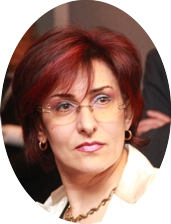
Diana Dudea, is Associate Prof, DDS, PhD, Head of Department of Dental Propedeutics, Faculty of Dentistry, University of Medicine and Pharmacy Iuliu-Hatieganu, Cluj-Napoca, Romania. During more than twenty years of teaching activity in dental field, she lectured and performed practical activity for undergraduates and postgraduates students on various topics: Normal Morphology and Function of the Oral system, Prosthodontics, Esthetic dentistry, Dental Materials. Dr. Diana Dudea is member of scientific and professional societies- International Association for Dental Research (IADR), European Society of Cosmetic Dentistry, (ESCD) Society for Color and Appearance in Dentistry (SCAD), Romanian Society of Biomaterials (SRB) Romanian Society of Esthetic Dentistry and was appointed as Adjunct investigator in the Houston Center for Biomaterials and Biomimetics of the University of Texas - Dental Branch. She is reviewer for international journals; her major scientific interests include topics related to: colour in dentistry- (methods and instruments used for shade selection, discromatopsies, etiology and treatment of dental discolouration); in vitro and in vivo studies performed on various types of dental materials (bleaching materials, composites for direct and indirect restorations, glassionomers, dental ceramics. |
 |
Norina Consuela Forna (Romania) - Biomaterials involved in augmentation procedures in view of implanto-prosthetic rehabilitation |
|---|---|
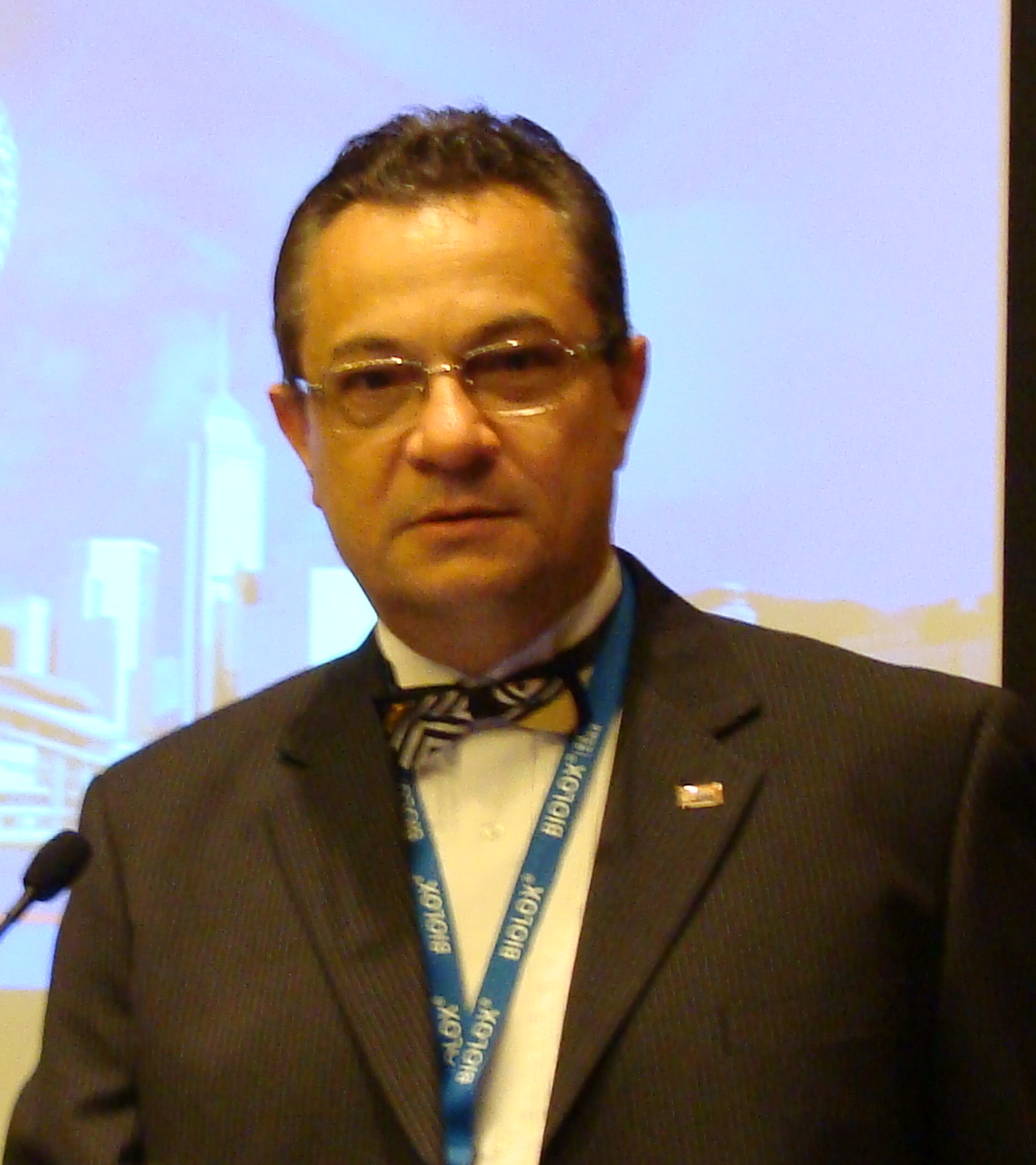
Professor Norina Forna is the Dean at the Faculty of Dental Medicine, “Gr.T.Popa”University of Medecine and Pharmacy, Iaşi 2004 – present; Member in the National Council of College of Dentists from Romania; Medical Expert for Public Health Iaşi for the speciality of General Dentistry (2005 to present). Professor at the discipline "Clinics and therapy of partial extended edentation", since 2002 – to present; Coordinator of the Programme for the Complementary Studies in Oral Implantology, Iaşi; Formator in Diplome d`Universite de Chirurgie et d`Implantologie Orala (DUCIO) - 30 novembre, 1 et 2 decembre 2007. Membership in more than 30 scientific societies;Awards 27; Post-graduated courses: 51; Congresses, conferences, symposiums, other scientific manifestations: 50; Papers: 15; Manuals: 7 INTERNATIONAL TITLES AND FUNCTIONS: Fellow of International College of Dentists-2013; Ambasador`Circle International Congress of Oral Implantologists (ICOI, SUA)-2012-2014;Palmes Academiques, Chevalier dans l`Ordre des Palmes Academiques, par le decret en date du 1 er mars (2011); Expert AUF (L'Agence universitaire de la Francophonie) – (2011); Vice-president of the International Congress of Oral Implantologists – for Romania (ICOI, SUA); Fellow and Diplomate of the International Congress of Implantologists (2010); Ambassador for Romania of the European Dental Association of Education (ADEE); Ambassador of the Confederation of Deans Counsel of total or partly French origin (CIDCDF) – 2008; Member of the Balkan Society of Stomatology (BaSS), since 2009; Member of the Council of Administration of the Confederation of Deans Counsel of Total or Partly French origin (CIDCDF), Scientific Committee, since 2009. |
 |
Stefan Cristea (Romania) - Prophylactic Synthesis of Controlateral Hip Fracture in Osteoporotic Patients |
|---|---|
CRISTEA ŞTEFAN M.D., Ph.D., Head of Orthopedics at Saint Pantelimon Emergency Hospital, Professor of Orthopedics and Trauma Surgery since 2005, Expert in orthopedics and Trauma since 2010. He was formatted in Foisor Orthopedic clinic and fellow in orthopedic surgery at Cochin Hospital in Paris with Prof Kerboull in 1992, in Bronx Lebanon Hospital in New York in 1994, in Oxford Nuffield Orthopaedics Centre in 1996. He participates annually at several international courses. Since 2000 Stefan Cristea became M.D. Ph.D. with the thesis “Screening by ultrasound in DDH for new born”, he introduced in Romania the Ultrasound screening for prevention of DDH. He was a Pioneer of minim invasive surgery in Romania, in Arthroscopic surgery in knee, shoulder, hip, lumbar disc hernia treated endoscopic. He is an international scientific authority and he was elected Président of AOLF 2010 – 2012 – Association des Orthopédistes de Langue Française. He is author in more than 450 scientifique papers, 75 published papers, 32 in ISSN index publications, 15 medical Books , 2 published in Intech editor 2013 - Regional Arthroscopy edited by Vaibhav Bagaria USA, 2013, Chapter " Lumbar Intervertebral Disc Endoscopy „ pag 39 – 61 Ed.INTECH; 2011 – “Modern arthroscopy” cap. “The role of arthroscopy in mini-invazive treatment of tibial plateau fractures” Ed. Intech;. He participates in 32 research contracts and in 10 was Principal Investigator. He collaborates with University Politehnica of Bucharest, Mechatronics Depart. and he has a Invention Brevet for measurements in Orthopedics. |
 |
Marioara Moldovan (Romania) - Glass Ceramics and Glasses for Dental Applications |
|---|---|
Dr. Marioara Moldovan is a well-known expert in bioceramics and composite materials for dental application. She is the leader of Composite Materials group at the “Raluca Ripan” Chemistry Research Institute, Babes-Bolyai University,Cluj-Napoca, Romania. Her professional and scientific activity comprises: handbooks/textbooks (3); papers published in scientific journals (90); papers published in the proceedings of international or national conferences (200); participating in different international or national research projects (22); patents (18); member of the scientific committee of different meetings (12); awards (16). |
 |
Iulian Popa (Romania) - Results of using a bioabsorbable, antibiotic-impregnated carrier (nanocrystalline hydroxyapatite and calcium sulphate - pellets) in chronic osteomyelitis |
|---|---|
Iulian Popa - University of Medicine and Pharmacy “ Victor BABES”, 2nd Orthopaedie Traumatology Department, Timisoara Dr. Iulian Popa has the Ph.D.at the University of Medicine and Pharmacy “Victor Babes” Timisoara, Department of Orthopaedics. Now he is orthopedic surgeon and assistant professor at the University of Medicine and Pharmacy ”Victor Babes” Timisoara, Department of Orthopaedics. He is involved in international studies that aim to develop the use of bioceramics and different medical devices in orthopedic pathology focused on spine. The result of his work in research is transmitted through numerous articles in prestigious international publications with impact factor, books and lectures at many international conferences. |
 |
Roberto C. Cristescu (Netherland) - Clinical applications of MTA (mineral trioxide aggregate) in single visit endodontic |
|---|---|
Having a Ph.D. in Dental Medicine obtained in University of Medicine and Pharmacy Carol Davila Bucharest, a master degree in biomaterials and following an Endodontic Postgraduate Program ACTA, Amsterdam, Dr.Roberto C. Cristescu is involved from 2007 in private practice (limited to endodontics) at Amsterdam, Netherlands. Also, he is Associate Clinical Teacher at Warwick Dentistry, Warwick Medical School, UK. He has a large experience in endodontics and biomaterials used in dentistry. He is member of many scientifc associations (like European Society of Endodontology or Dutch Endodontic Association), inivted speaker at many international courses and conferences, author of many articles related to endodontics published in international peer-reviewed journals. |
 |
Iulian Antoniac (Romania) - Bioceramics in hip joint replacement |
|---|---|
Dr.Iulian Antoniac is a materials science engineer working in the field of biomaterials and medical devices. He is the leader of the Biomaterials Group from Faculty Materials Science and Engineering, University Politehnica of Bucharest and was elected as President of the Romanian Society for Biomaterials (SRB). He has worked at the beginning on biomaterials used for different orthopedic and dental application (such as hip prosthesis, implants for trauma, dental prosthesis). After several specialization in laboratories from Switzerland, Portugal, France, USA, on surface analysis, composite materials, implant design and biomaterials characterization, his scientific interests spans from the synthesis and characterization of biomaterials and interactions with living tissues, retrieval implant analysis, to the new composites and scaffolds based on nanostructured and biologically inspired biomaterials. His professional and scientific activity comprises: handbooks/textbooks (8) including publication of a book entitled ‘Biologically Responsive Biomaterials for Tissue Engineering’, Springer, 2012; papers published in scientific journals (34); papers published in the proceedings of international or national conferences (180); inventions (6); participating in different international or national research projects (76); member of the scientific committee of different meetings (24); president of international conferences (6). He is a member of the International Editorial Board and reviewer for many journals and biomaterial conferences, member of different scientific associations. Dr. Antoniac has been invited to deliver plenary or keynote lecture to many international conferences. |